
Leverage Leisure Project Partnerships for Long-Term Success
In my years of experience planning, building, and operating major leisure assets worldwide, I have seen firsthand how strategic partnerships can make or break a project. Leisure developments are complex, capital-intensive, and require a blend of expertise from multiple disciplines. When done right, partnerships unlock value, reduce risk, and improve operational performance. This post shares practical insights on how to leverage leisure project partnerships effectively to create sustainable, high-performing assets.
Understanding the Value of Leisure Project Partnerships
Leisure projects, whether waterparks, resorts, or mixed-use destinations, demand a wide range of skills and resources. No single entity can excel at every aspect—from design and construction to marketing and daily operations. This is where partnerships come in.
Key benefits of well-structured partnerships include:
Risk sharing: Financial, operational, and market risks are distributed among partners, reducing exposure for any one party.
Access to expertise: Partners bring specialized knowledge, such as engineering, hospitality management, or local market insights.
Capital efficiency: Pooling resources allows for larger, more ambitious projects without over-leveraging a single partner.
Operational synergies: Combining strengths in operations and marketing can drive higher asset utilization and guest satisfaction.
Long-term value creation: Partnerships aligned on shared goals foster continuous improvement and asset enhancement.
For example, in a recent waterpark development I advised on, the partnership included a local developer, an international operator, and a financial investor. Each brought unique capabilities that ensured the project was delivered on time, within budget, and opened with strong market traction.

Structuring Leisure Project Partnerships for Success
The structure of a partnership is critical. It must balance control, responsibilities, and rewards clearly to avoid conflicts and ensure smooth execution.
I recommend the following approach:
Define clear roles and responsibilities: Each partner should have well-documented duties covering development, financing, operations, and marketing.
Establish governance mechanisms: Create a steering committee or board with representatives from all partners to oversee major decisions.
Align financial incentives: Profit-sharing, equity stakes, and performance bonuses should motivate partners to maximize asset value.
Plan for dispute resolution: Include mechanisms such as mediation or arbitration to handle disagreements efficiently.
Set long-term operational goals: Beyond opening day, partners should agree on targets for guest experience, maintenance, and asset upgrades.
In one mixed-use destination project I managed, early disagreements over operational control delayed the opening by months. We resolved this by revisiting the partnership agreement, clarifying decision rights, and appointing an independent asset manager. This experience reinforced the importance of upfront clarity and governance.
Practical Execution: From Concept to Operation
Partnerships are not just about agreements on paper—they must deliver results on the ground. Here are actionable recommendations based on real-world project experience:
Engage partners early: Involve all key stakeholders from concept development to ensure alignment on vision and feasibility.
Leverage complementary strengths: For example, a developer may excel in land acquisition and permitting, while an operator focuses on guest experience and staffing.
Implement integrated project management: Use shared tools and regular coordination meetings to track progress and resolve issues quickly.
Focus on quality and compliance: Partners should jointly enforce standards for safety, environmental impact, and regulatory compliance.
Plan for phased openings: This reduces operational risk and allows partners to learn and adapt before full-scale launch.
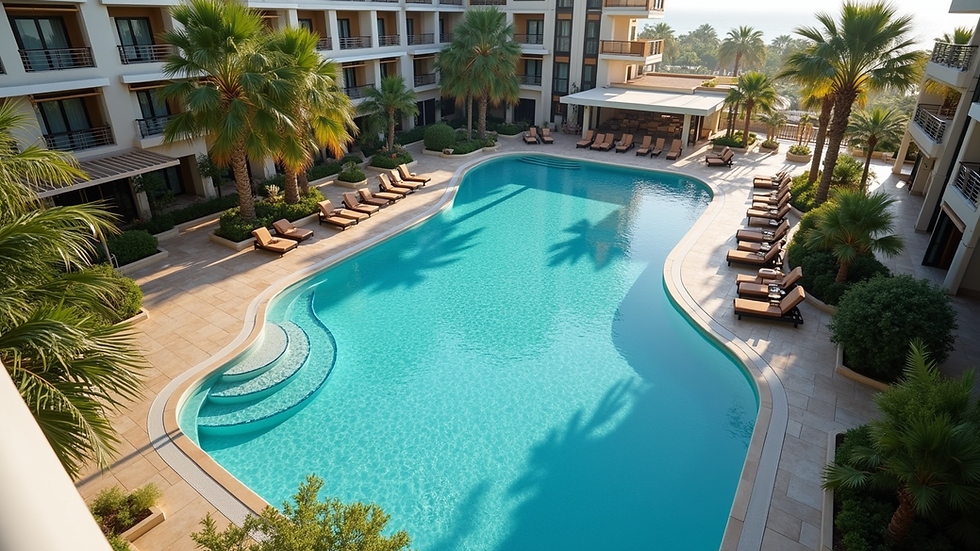
During a recent resort refurbishment, the partnership adopted a phased approach to reopening amenities. This allowed the operator to train staff gradually and the developer to manage cash flow effectively, resulting in a smooth transition and positive guest feedback.
Optimizing Asset Performance Through Partnership Collaboration
Once operational, the partnership’s focus shifts to maximizing asset performance and guest satisfaction. This requires ongoing collaboration and data-driven decision-making.
Key strategies include:
Regular performance reviews: Partners should meet quarterly to review financials, guest feedback, and operational KPIs.
Continuous improvement programs: Use insights to implement enhancements in services, facilities, and marketing campaigns.
Joint marketing initiatives: Pool resources for advertising, promotions, and loyalty programs to increase visitation.
Technology integration: Adopt property management systems and analytics tools that provide transparency and support operational efficiency.
Sustainability focus: Collaborate on energy efficiency, waste reduction, and community engagement to enhance brand reputation and reduce costs.
In one ice arena project, the partnership introduced a shared digital platform for ticketing and guest management. This improved data accuracy and enabled targeted promotions, boosting attendance by 15% within the first year.
Navigating Challenges in Leisure Project Partnerships
No partnership is without challenges. Common issues include misaligned expectations, cash flow constraints, and operational disagreements. The key to overcoming these is proactive management and open communication.
My recommendations to navigate challenges are:
Set realistic expectations: Be honest about timelines, budgets, and market conditions from the outset.
Maintain transparency: Share financial and operational data openly to build trust.
Address issues promptly: Don’t let small problems fester; resolve them through structured dialogue.
Adapt partnership terms if needed: Be willing to renegotiate roles or financial arrangements as the project evolves.
Leverage external advisors: Independent experts can provide objective guidance and mediate disputes.
By applying these principles, I have helped multiple projects avoid costly delays and preserve strong working relationships among partners.
Building Long-Term Value with Leisure Development Partnerships
The ultimate goal of any leisure project partnership is to create lasting value. This means not only delivering a successful opening but also ensuring the asset remains competitive and profitable over decades.
To achieve this, partners must:
Invest in ongoing asset enhancement: Regular upgrades and refurbishments keep the experience fresh and appealing.
Plan for market evolution: Monitor trends and adapt offerings to changing guest preferences.
Develop exit strategies: Have clear plans for ownership transitions or refinancing to maximize returns.
Foster a culture of collaboration: Encourage continuous communication and shared problem-solving.
Leverage operational expertise: Use data and experience to optimize staffing, maintenance, and guest services.
By embracing these principles, I have seen leisure projects transform from initial concepts into iconic destinations that deliver strong returns and community benefits.
In closing, I encourage you to explore how leisure development partnerships can be a cornerstone of your next project. When structured and managed with discipline and transparency, these partnerships unlock the full potential of your investment and operational capabilities.
If you are planning a new waterpark, resort, or integrated leisure destination, consider how a well-crafted partnership can reduce risk, enhance performance, and create long-term value. The right partners, aligned goals, and practical execution are the foundation of success in this dynamic industry.


Comments